
Otoplasty is also called ear surgery or ear pinning, because the ears are repositioned to lie flatter against the head. This facial cosmetic surgery is popular among children, teenagers, and adults who may feel especially self-conscious or vulnerable to teasing about “Dumbo ears” or other hurtful names. According to the American Society of Plastic Surgeons, the two leading age groups for this procedure were patients aged 13-19 (who made up 28% of total procedures) and patients aged 20-29 (who made up 30%).
If you live in Towson, Owings Mills, Baltimore, or the surrounding areas and are interested in otoplasty for you or your child, please call the practice of board-certified plastic surgeon Dr. Ronald Schuster at 410-902-9800. Dr. Schuster listens to your concerns and finds the right procedure for your goals.
On this page, we discuss:
What Is Otoplasty?
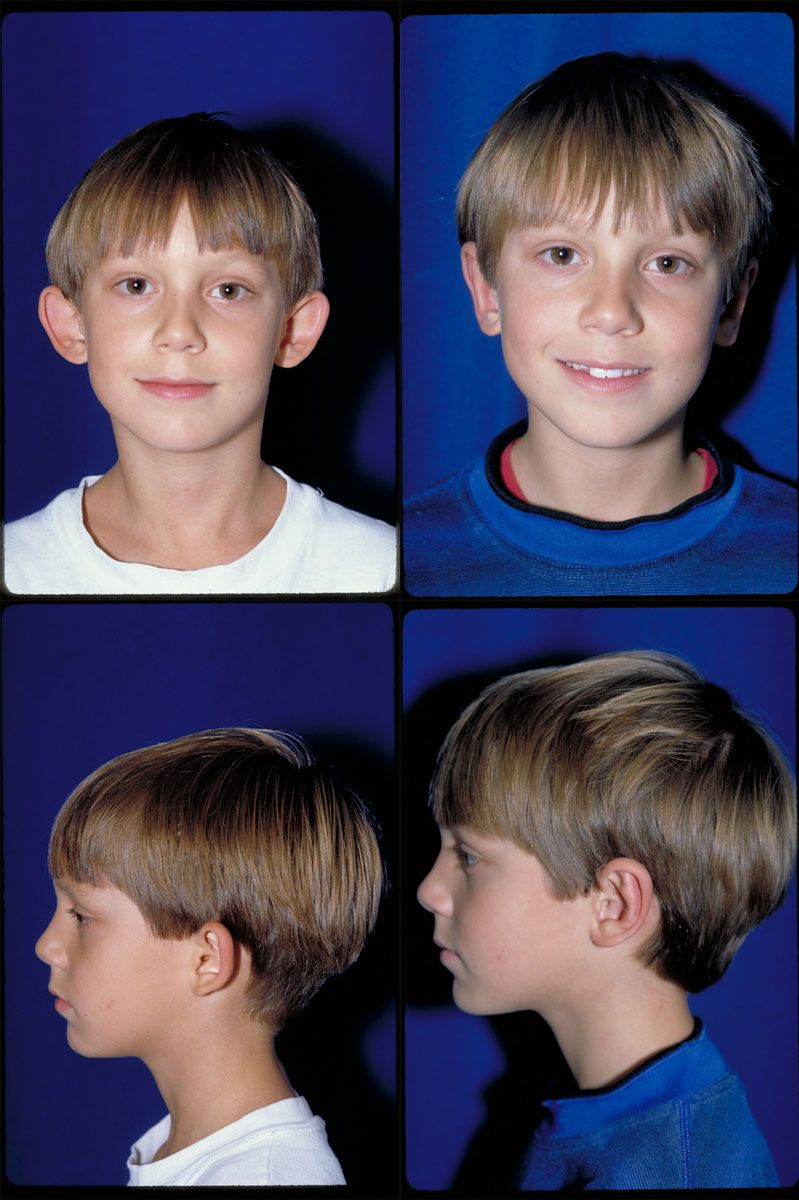
Ear surgery balances the features of the face and creates a naturally proportional appearance, which you can see in the before-and-after gallery.
It modifies ear shape, position and size, and may be right for you if you are unhappy with:
- Large ears
- Protruding ears that stick out from your head

Who Is A Candidate For Ear Pinning?
About 22,900 people underwent otoplasty in the U.S. last year. It’s not an uncommon procedure for young children, who can be candidates as early as age 6 or 7. Large, protruding ears can be significant fodder for school bullies. Ear surgery may be the right way to spare your child the feelings of low self-esteem associated with this facial characteristic. Talk to Dr. Schuster about whether it’s right for your child. Many of his ear surgery patients are elementary or high school students, and he understands these situations are delicate. He tailors his recommendations to each individual he meets.
The Ear Pinning Procedure
Incisions are made at the back of the ear to complete this procedure. The great thing is that no one will be able to see the resulting scars, because they are hidden behind your ears. The procedure may also include adding natural folds and contours to the ear.
During your consultation, we’ll discuss your anesthesia options and make sure you are prepared for the weeks and days leading up to surgery. You’ll need to specify a person to drive you home from surgery and stay with you for at least 24 hours. This is an outpatient procedure, so the patient is able to return home shortly after the surgery is completed.
Types of Otoplasties
There are different types of otoplasty procedures that can improve the appearance of your ears. The most common ones include:
- Pinning: Ear pinning is performed when the ears are too prominent and protrude further than normal.
- Reduction: If your ears are larger than they should be, ear reduction can help to create a more symmetrical appearance.
- Augmentation: In patients where the ears are underdeveloped, an otoplasty can help increase the size of their outer ears.
Ideal candidates are also in good health, are older than five years old, and are non-smokers.
What Are the Risks Associated With Otoplasty?
The recovery from ear surgery is relatively fast and causes minimal discomfort. It’s recommended that you take one week off from work, or have your child take one week off from school, because the head will be wrapped in visible bandaging.
Recovery From Otoplasty
Similar to other surgical procedures, associated risks may include:
- Bleeding
- Adverse reaction to anesthesia
- Infection
- Unnatural appearance of the ears
- Scar tissue formation
- Changes to skin texture or sensation
Why Choose Dr. Ronald H. Schuster for Ear Surgery in Baltimore, MD?
Ronald H. Schuster, MD, is a board-certified plastic surgeon through the American Board of Plastic Surgery. As the immediate Past Chief of the Plastic Surgery Division at Northwest Hospital Center in Baltimore County, he brings decades of surgical leadership and clinical experience to every procedure he performs. His background includes a five-year general surgery residency at Sinai Hospital in Baltimore, followed by a dedicated plastic surgery residency and fellowship at Washington University’s Barnes Hospital. This advanced training allows him to approach ear surgery with both technical precision and a strong focus on safety.
Dr. Schuster remains active in leading professional organizations, including the American Society of Plastic Surgeons and the American Society for Aesthetic Plastic Surgery. He has also contributed to clinical research, serving as an initial investigator in breast implant studies and earning recognition for his research on facelift techniques and blood supply. His commitment to staying current with surgical advancements ensures patients receive thoughtful recommendations and proven techniques tailored to their goals.
Frequently Asked Questions
You’ll be able to return to full activities in two weeks, but you must avoid any physical contact or touching of the treatment area for six weeks. Keep in mind that every patient is different, so it is best to follow Dr. Schuster’s recommendations and wait until he provides medical clearance before resuming normal activities.
Otoplasty focuses on the outer ear and does not affect the structures responsible for hearing. The procedure reshapes or repositions cartilage but does not involve the ear canal or inner ear. Patients should not notice any change in hearing ability after surgery.
Most patients describe discomfort as mild to moderate rather than severe pain. You may feel tightness, soreness, or a mild throbbing sensation during the first few days. Pain medication and proper head support help keep you comfortable during early recovery. Symptoms typically improve significantly within the first week.
Children usually receive general anesthesia to keep them fully asleep and comfortable during the procedure. Adults may have general anesthesia or local anesthesia with sedation, depending on the surgical plan and patient preference. Dr. Schuster discusses the safest and most appropriate option during your consultation.
Yes, the results of otoplasty are considered long-lasting. Once the cartilage heals in its new position, it typically remains stable. Following post-operative instructions helps support proper healing and maintain the outcome.
Patients should avoid sleeping on their side until cleared by Dr. Schuster. Most people can gradually resume side sleeping after several weeks, once swelling decreases and the ears have stabilized. Sleeping on your back with your head elevated early on helps protect your results.
Schedule Your Consultation
If you are interested in ear surgery for yourself or your child and live in Baltimore, Owings Mills, Towson or the surrounding areas of Maryland, please arrange a consultation with experienced, board-certified plastic surgeon Dr. Ronald Schuster by calling 410-902-9800.