As we get older, our metabolisms begin to slow down and we start storing more fat in our bodies. Unwanted pockets of stubborn fat can be unsightly sources of embarrassment as they build up in unflattering areas. If this sounds familiar, you may have already discovered that these fat deposits are resistant to diet and exercise, leaving you frustrated, self-conscious and unsure of how to get the trim, toned physique you’ve worked so hard to achieve.
Fortunately, board-certified plastic surgeon Dr. Ronald Schuster can remove unwanted fat from almost any part of your body and give you the sculpted shape you desire with liposuction.
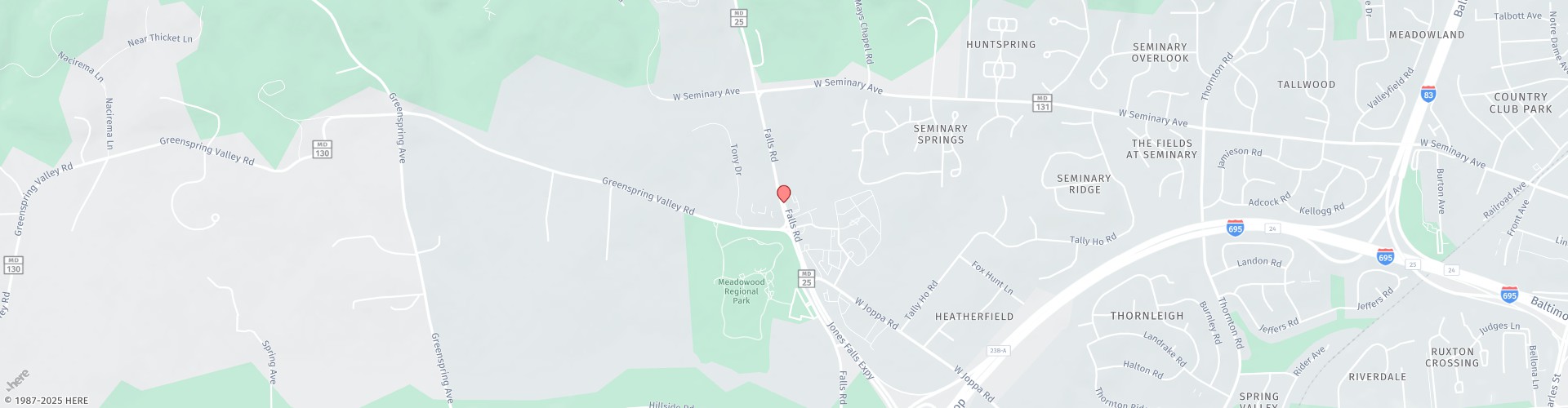
If you are considering liposuction, please contact our office today by completing the form on this page or calling 410-902-9800 to schedule an initial consultation with Dr. Schuster. We proudly provide services to women and men in Baltimore, Owings Mills, Towson and other areas of Maryland.

Topics on this page include:
- What Is Liposuction?
- Benefits of Lipo Surgery
- Am I a Good Candidate for Liposuction?
- Types of Liposuction
- Your Liposuction Procedure
- Liposuction Recovery
- When Will I See Results from Liposuction?
- How Long Do Liposuction Results Last?
- Limitations of Liposuction Surgery
- Possible Risks and Complications Associated with Liposuction Surgery
- Alternatives to Liposuction
- How Much Does Liposuction Cost?
- Schedule your Liposuction Consultation Today

What Is Liposuction?
Liposuction is a body contouring procedure that involves breaking up and removing fat from the body in order to change the shape and contour. The procedure, also known as lipo, is not a weight-loss tool, but rather a cosmetic procedure used to smooth deposits of fat that do not react to regular diet and exercise.
Liposuction can eliminate fat from virtually any part of your body, such as your:
- Abdomen
- Breasts (including male breast reduction)
- Arms
- Back
- Hips
- Buttocks
- Thighs
Baltimore cosmetic surgeon Dr. Ronald Schuster has nearly 30 years of experience providing world-class results for his patients and can help determine which method of liposuction is right for you.
Benefits of Liposuction surgery
As one of the most popular plastic surgery procedures today, many men and women across the country have discovered the benefits of liposuction. Some of the benefits you may experience include:
- A more toned, fit body shape
- Improved appearance in swimwear and other clothing
- Motivation to maintain a healthy, active lifestyle
- Improved health as a result of fat loss
- Improved self-image and increased self-confidence and
Liposuction doesn’t just improve the appearance of your body; it improves the way clothes fit on you, especially areas such as the breasts, hips, waist and thighs. Most importantly, liposuction can help the way you see and feel about yourself.

Who Is A Candidate?
If you live with unsightly pockets of fat that are resistant to diet and exercise, you are likely a good candidate for liposuction if you:
- Are generally healthy
- Are at or near your ideal body weight
- Have good skin elasticity
- Have reasonable expectations for the procedure
The best way to know if liposuction is right for you is to meet personally with Dr. Schuster in a confidential consultation. During your initial consult, Dr. Schuster will evaluate your goals and medical history and determine your candidacy for the procedure. He will also explain what can and cannot be attained through lipo surgery to ensure you have realistic expectations and know what to expect after your treatment.
What People Say About Us!
"I highly recommend Dr. Schuster, one of the best plastic surgeons in Maryland, if i ever decide to do anything else in my body, I would definitely look for him again."
Click here to read more reviews.
Types of Liposuction
Dr. Schuster offers the following liposuction methods:
- Tumescent Liposuction: The tumescent liposuction method uses a hollow tube, called a cannula, which is inserted through a small 1/2″ incision. Tumescent fluid is put into the fat to help in its removal. It contains a local anesthetic which relieves pain before and after surgery, as well as epinephrine, which reduces blood loss during the procedure. Fat is then broken up and suctioned out of the body.
- Ultrasonic Assisted Liposuction: The ultrasonic liposuction technique, or Ultrasound Assisted Liposuction (UAL), uses high frequency sound waves to break down fat cells, causing the fat to flow out. The fat combines with injected fluid to create an emulsion. The “liquefied” fat is then suctioned out using vacuum pressure. Ultrasonic liposuction is particularly useful for removing fat in difficult areas such as the back, upper abdomen and outer thighs. It is also good for treating excessively large male breasts, a condition called gynecomastia.
The first step toward the slim, fit body you desire is a personal consultation with Dr. Schuster. During this important one-one-one meeting, Dr. Schuster will work closely with you to understand your concerns, assess your physical condition and determine which liposuction technique or other treatment can best meet your needs.
What to expect during surgery
Liposuction is performed as an outpatient surgery. Dr. Schuster will discuss your anesthesia options to ensure an optimal level of safety and comfort. The length of time it takes to complete your procedure will depend on the location being treated; the number of targeted areas and the amount of fat you’d like to remove.
After making a small incision in the area where the fat will be removed, Dr. Schuster will inject a tumescent formula made of epinephrine, adrenaline and lidocaine. This tumescent formula helps to break down fat cells as well as reduce bleeding, minimize bruising and deliver a localized anesthetic to the treatment area. A thin, hollow, vibrating instrument, called a cannula, is then used to suction out the unwanted fat.
Liposuction Recovery
Because of the lingering effects of anesthesia, you should arrange for someone to give you a ride home after your lipo surgery. It is also helpful to ask a friend or relative to stay with you at home for the remainder of the day to help you get comfortable and situated. You should plan to drink plenty of fluids and get a lot of rest during your first day of recovery.
Temporary side effects of liposuction may include:
- Discoloration/swelling
- Discomfort (pain/sensitivity)
- Numbness
- Lumps/irregularities
- Asymmetry
- Restricted activity
The majority of these common side effects typically go away over the first two weeks of recovery. You’ll be provided with a compression girdle to wear for three weeks to help manage swelling and promote proper healing.
Although everyone heals at his or her own pace, you should plan to take a few days to a week off from work to recover from your procedure. You should be back to full activity, including participation in sports, in about two weeks. Final results of liposuction can take three to six months.
When Will I See Results
Due to postoperative swelling, patients typically do not begin to see liposuction results for the first few weeks following surgery. The swelling will generally begin to reside within the first four to eight weeks depending on the surgical method used (tumescent/ultrasonic) and the level of post-op care. A majority of patients will see 90% of their liposuction results within three months after their surgery date.
How Long Do Liposuction Results Last?
Once removed, fat cells typically do not duplicate or reform. Reducing the number of fat cells in an area will produce a change in shape that is expected to be permanent. Subsequent alterations in the body contour may occur as a result of aging, large weight gain (20-30 lbs) or loss, pregnancy, and/or a variety of other circumstances which may not be related to the location of fat. The amount of fat that is contained in the fat cells that are left behind is controlled by diet and exercise; body weight may remain the same if diet and exercise levels remain unchanged. During your consultation at Dr. Schuster’s Baltimore, Maryland area center, tumescent and ultrasonic liposuction expectations will be discussed in detail to help you make an informed decision.
Limitations of Liposuction Surgery
While liposuction is a remarkably versatile and effective body contouring solution, it does have its limitations, these include:
- Cannot provide skin elasticity. The ability to shrink over new contour is unknown; younger patients usually have better elasticity than older patients. The more fat removed from an area, the greater the difficulty for the skin to shrink smoothly over the new contour (regardless of age).
- Not appropriate for obese patients or those who have excess fat or loose skin. A tummy tuck may be appropriate in these cases (if the patient is not obese).
- All humans are asymmetrical; symmetry may not result from liposuction.
- Suction lipectomy alters shape but is not an answer to weight problems; weight is controlled with diet and exercise.
- Skin dimpling (“cellulite”) present before surgery will remain after surgery.
- Does not correct body contour irregularities caused by structures other than fat (i.e. muscle, muscle weakness, bone, intra-abdominal contents, grandular tissue).
- Sometimes not possible to achieve ultimate result in just one operation.
What Are The Potential Risks Of Surgery?
Board-certified plastic surgeon Dr. Ronald Schuster has helped patients achieve beautiful, natural-looking results for nearly 30 years. He prides himself on using only the safest, most effective techniques to provide outstanding results.
A certain amount of risk is involved with any surgery. Complications from liposuction surgery are incredibly rare, and Dr. Schuster takes every precaution to ensure your procedure is safe and your recovery is swift and effective.
Patient education is a cornerstone of Dr. Schuster’s approach to patient care, and understanding potential risks, no matter how rare, is an important consideration in your transformative journey. Possible risks and complications of liposuction surgery include:
- Bleeding/blood loss/transfusion
- Contour irregularities/depressions
- Autogenous blood discussed
- Skin loss – extremely rare
- Pulmonary embolus – extremely rare
- Infection
- Fat embolus – extremely rare
- Delayed healing
- Injury to abdominal contents – extremely rare
- Asymmetry
- Waviness or surface irregularities
- Pigmentation (very rare)
Dr. Schuster will discuss all of the risks and benefits of lipo surgery during your initial consultation. He will answer your questions, address your concerns and help you determine if liposuction is right for you.
Alternatives to Liposuction
If you are unable or unwilling to undergo surgery, Dr. Schuster can still help to improve your body contour with non-surgical procedures and treatments.
If you are seeking an alternative to liposuction, the following approaches may help to improve your figure:
- CoolSculpting®: a non-surgical treatment that “freezes away” fat
- Diet – usually affects size but minimal affect on shape
- Exercise – may affect size but minimal affect on shape
- Excision of fat and excess skin
Dr. Schuster will explain all of your body contouring options during your initial consultation and help you determine with path is right for you.
How Much Does Liposuction Cost?
At the cosmetic surgery practice of Dr. Ronald H. Schuster, we are aware of the financial constraints that many people face and how hard it can be to invest in yourself. That is why we work with our patients to ensure that they get exceptional cosmetic surgery at a cost that is reasonable for their budgets. If you are interested in learning more about the cost of liposuction in Baltimore and the body lift financing options available at our practice, please contact us today to schedule a consultation with the renowned Maryland liposuction surgeon Dr. Ronald Schuster.
Liposuction, tummy tuck, body lift, and other body contouring options are major surgical procedures and, should be performed only by a reputable, board-certified plastic surgeon such as Dr. Ronald H. Schuster. While cost is certainly and understandably a major factor in considering your surgeon, it should not be the main focus. It’s best to find a financial solution that affords you the services of an experienced surgeon rather than risk your safety and ultimate satisfaction with a less qualified one. Keep in mind, you get what you pay for!
As a patient of Dr. Schuster’s, you can expect to receive the highest level of quality care at every stage of your treatment, from your initial consultation to your post-operative healing period. Dr. Schuster and his team will work with you to ensure the most affordable treatment possible, keep in mind these several factors that will influence your liposuction and/or body lift cost.
Cost factors to keep in mind:
- The number and types of procedures being combined into your body contouring treatment plan
- The size and location of the areas of your body being treated
- The type of techniques being used
- Necessary post-operative care
Dr. Schuster is happy to discuss all of these factors that will influence liposuction and body lift cost during a confidential consultation at our Baltimore area plastic surgery practice.
Schedule Your Liposuction Consultation Today
To learn more about liposuction, or to determine whether you are a candidate for the procedure, be sure to schedule a consultation with board-certified plastic surgeon Dr. Ronald Schuster. Call 410-902-9800 today or go to our contact page and fill out an appointment request form. We serve in Baltimore, Owings Mills, Towson and nearby Maryland areas.